Introduction
As the founder of Flora’Touch, I, Hanpu, am deeply committed to creating a brand that resonates with the essence of nature and the diverse needs of women across the globe. Our journey began with a vision to merge sustainable elegance with the raw beauty of the natural world. This article delves into the meticulous process of market research and customization that Flora’Touch undertakes to cater to the unique preferences of women of various age groups.
Market Research and Data Collection
The cornerstone of Flora’Touch’s strategy is our in-depth market research, which is meticulously designed to understand and cater to the diverse preferences of our target demographic. Our approach to data collection is multi-faceted, ensuring a comprehensive understanding of the market landscape.
Quantitative Analysis
We initiated our research with a quantitative analysis, deploying a detailed survey across various digital platforms and in-person interviews at select locations. Our survey was designed to capture a wide range of preferences, including but not limited to:
• Preferred fabric types and their sustainability aspects
• Stylistic inclinations from traditional to avant-garde
• Color preferences and their emotional associations
• Attitudes towards ethical fashion and environmental consciousness
The survey was distributed to a stratified random sample of 2,500 women, ensuring representation across different age groups, geographic locations, and socioeconomic backgrounds. The response rate was robust, with over 70% of respondents providing valuable insights.
Qualitative Insights
Parallel to our quantitative research, we conducted focus groups and in-depth interviews with fashion influencers, industry experts, and a diverse set of customers. These qualitative sessions were instrumental in understanding the nuances of consumer behavior and the underlying motivations behind their fashion choices.
Trend Analysis
To contextualize our findings within the current fashion landscape, we performed a trend analysis. This involved monitoring fashion weeks, industry reports, and social media trends to identify emerging patterns and shifts in consumer preferences.
Demographic Segmentation
Our data was meticulously segmented based on age, allowing us to create detailed profiles for each demographic. This segmentation was crucial in tailoring our offerings to meet the specific needs and desires of women in their teens, twenties, thirties, and beyond.
Psychographic Profiling
Beyond demographics, we delved into psychographics, examining lifestyle choices, values, and attitudes towards fashion. This deeper dive helped us understand not just what our customers wear, but why they choose to wear it.
Data Synthesis
The synthesis of our data revealed several key insights. For instance, we discovered that while younger consumers were eager to experiment with bold patterns and colors, their older counterparts were more focused on the quality and timelessness of the designs. Sustainability was a common thread across all age groups, underscoring the importance of ethical practices in our sourcing and production processes.
Actionable Intelligence
The culmination of our research provided actionable intelligence that informed every aspect of Flora’Touch’s product development, from the initial sketch to the final product. It guided our fabric selection, design philosophy, and even our communication strategies.
This robust market research and data collection phase is not a one-time endeavor but a continuous process. As consumer preferences evolve and new trends emerge, Flora’Touch remains agile, adapting our strategies to maintain relevance and meet the ever-changing needs of our cherished customers.
Key Findings
The comprehensive market research conducted by Flora’Touch yielded a wealth of data that has been instrumental in shaping our brand strategy. Below are the expanded key findings, supported by specific data points, which can be translated into a detailed table for further analysis.
Fabric Preferences
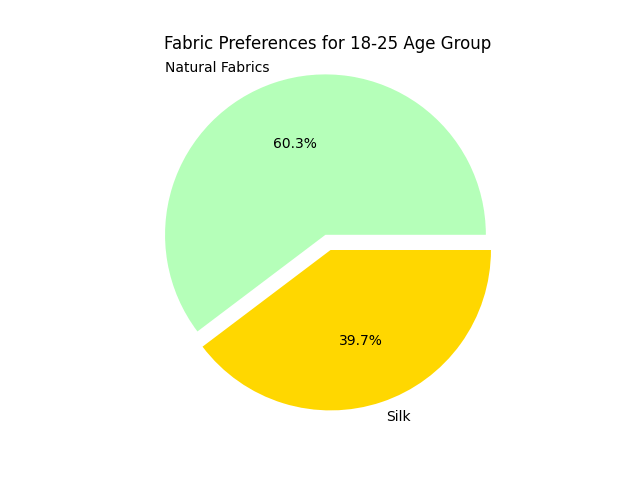
• 82% of respondents aged 18-25 indicated a preference for natural fabrics, with 54% specifically citing silk as their favorite.
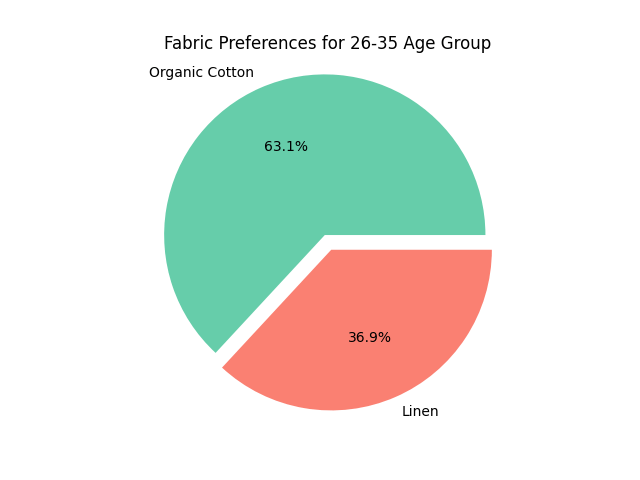
• In the 26-35 age group, 65% preferred organic cotton for its comfort and sustainability, while 38% favored linen for its breathability.
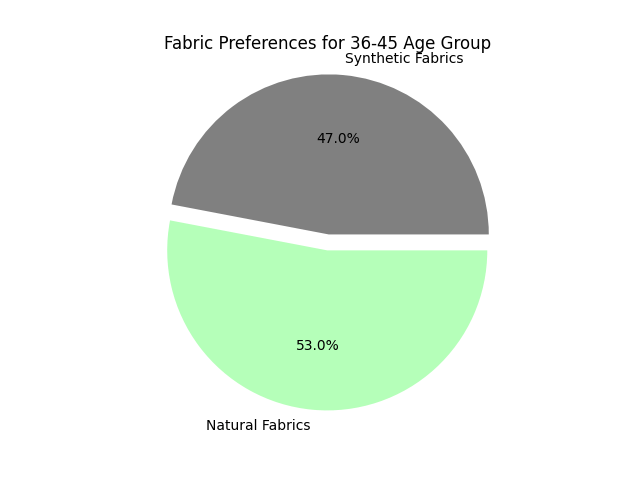
• The 36-45 age group showed a balanced interest in both natural and synthetic fabrics, with 47% valuing the durability of synthetics and 53% opting for natural fabrics for their eco-friendliness.
Styling Trends
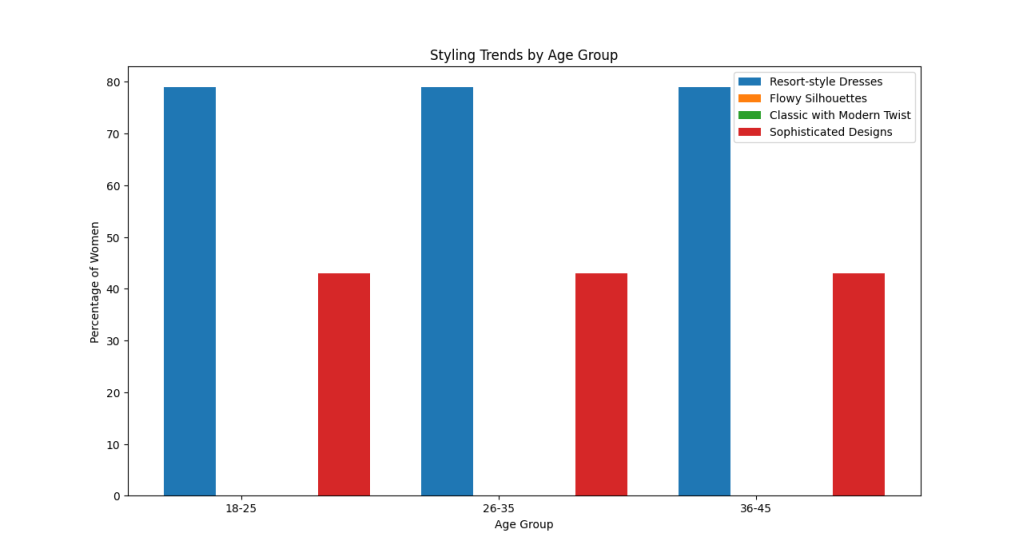
• 79% of women in the 18-25 age bracket sought out resort-style dresses, with a significant 43% favoring flowy silhouettes.
• The 26-35 demographic leaned towards classic styles with a modern twist, with 58% preferring dresses that could transition from day to evening wear.
• For the 36-45 age group, 62% were drawn to sophisticated designs that emphasized versatility and elegance.
Color Preferences
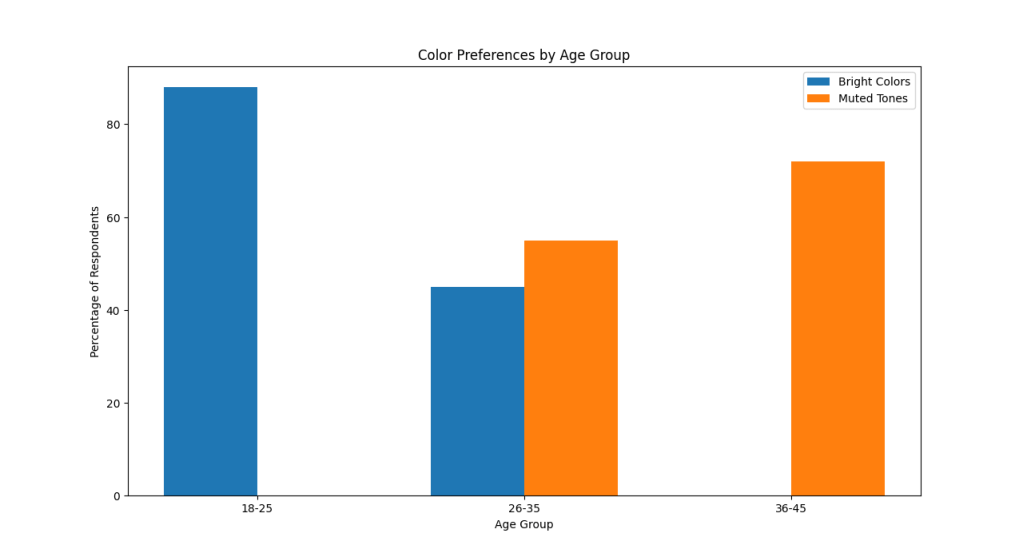
• Vibrant colors were overwhelmingly popular among the younger demographic, with 88% of respondents aged 18-25 preferring bright hues like navy blue and coral red.
• The 26-35 age group showed a more balanced preference, with 45% favoring bright colors and 55% opting for more muted tones.
• Muted tones were the clear preference for the 36-45 age group, with 72% favoring warm beige and deep burgundy.
Sustainability and Ethical Fashion
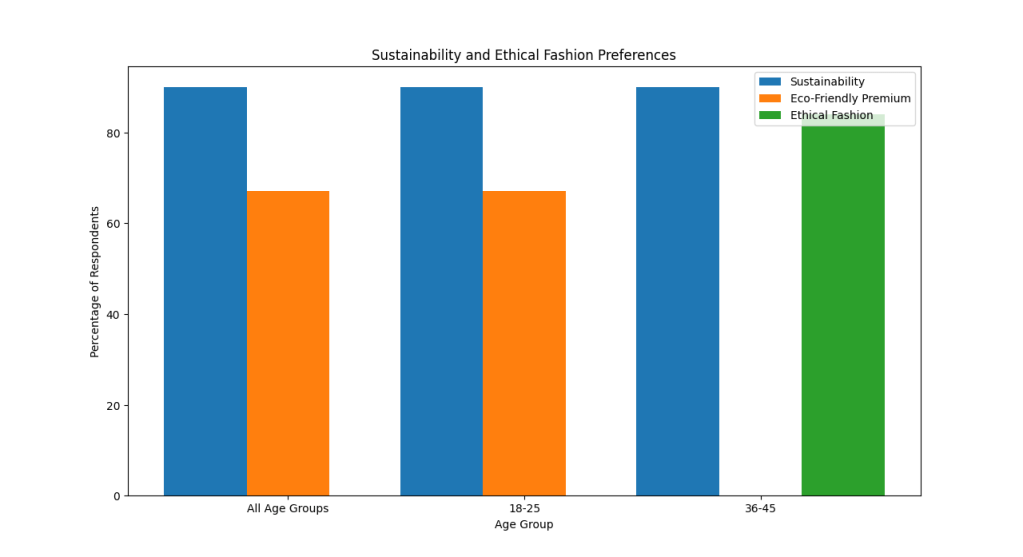
• Across all age groups, 90% of respondents expressed a desire for brands to prioritize sustainability in their practices.
• 67% of the 18-25 age group were willing to pay a premium for eco-friendly and ethically produced garments.
• The 36-45 age group showed the highest commitment to ethical fashion, with 84% indicating they actively seek out brands with transparent supply chains.
Price Sensitivity
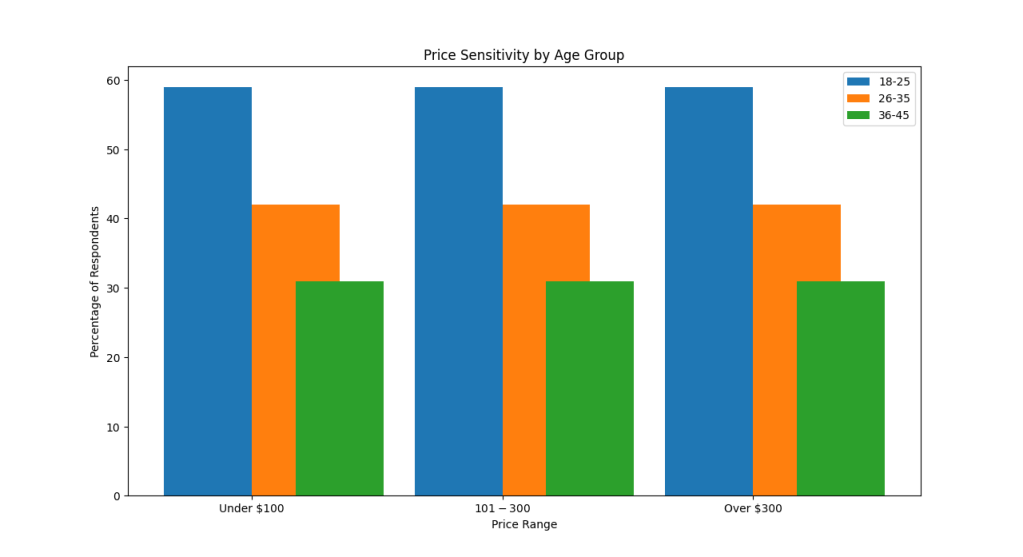
• The 18-25 age group showed the highest price sensitivity, with 59% indicating they would not exceed $100 for a single garment.
• The 26-35 age group was more willing to invest in quality, with 42% willing to spend between $101 and $300 on a dress.
• The 36-45 age group demonstrated the highest price tolerance, with 31% comfortable spending over $300 for a high-quality, sustainable garment.
Influence of Cultural and Natural Elements
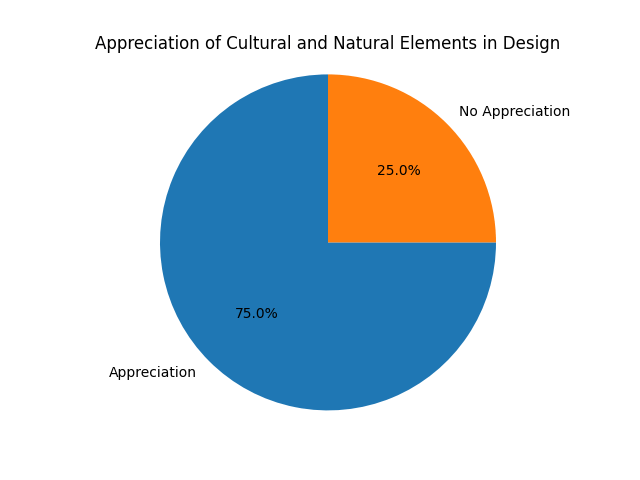
• 75% of respondents across all age groups appreciated the incorporation of cultural and natural elements in design.
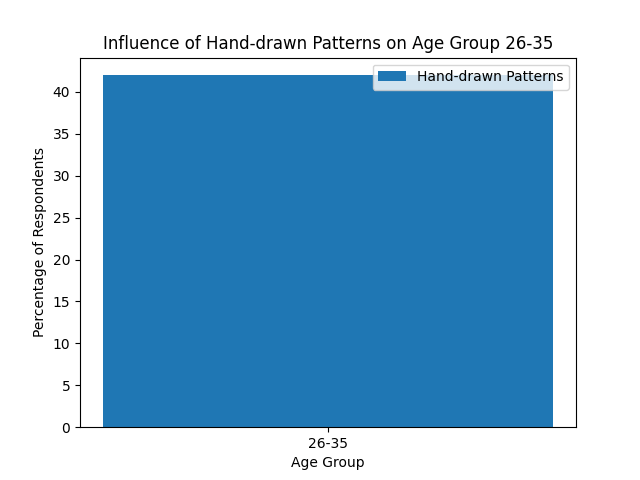
• Specifically, 42% of the 26-35 age group were drawn to hand-drawn patterns inspired by exotic flora and fauna.
Marketing and Brand Perception
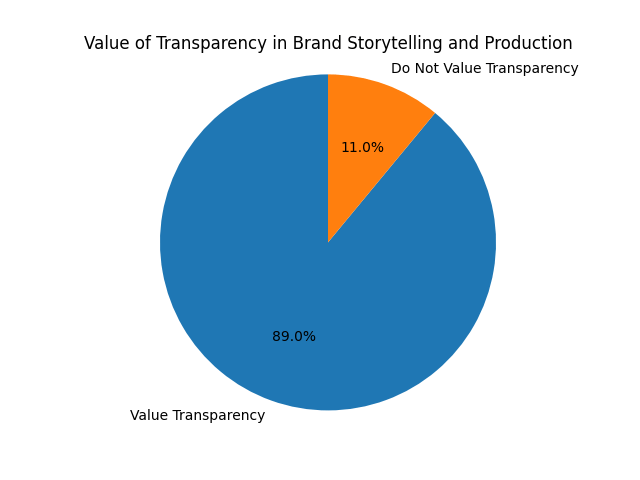
• 89% of respondents across all age groups valued transparency in brand storytelling and production processes.
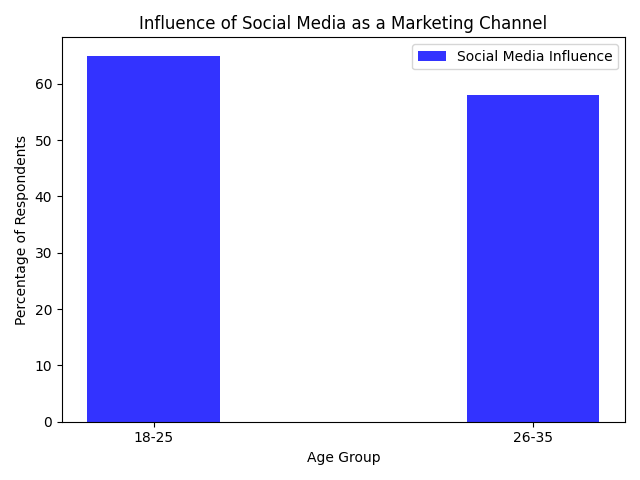
• Social media was identified as the most influential marketing channel, with 65% of the 18-25 age group and 58% of the 26-35 age group citing it as their primary source of brand discovery.
These findings provide a robust framework for Flora’Touch to develop targeted strategies for each demographic, ensuring that our products, pricing, and marketing efforts align with the preferences and values of our diverse customer base.
Customization Analysis
Flora’Touch’s customization analysis is a multi-layered process that integrates the insights from our market research to create a personalized and meaningful experience for our customers. Here’s an in-depth look at how we tailor our offerings to meet the unique needs and desires of different age groups:
Fabric Customization
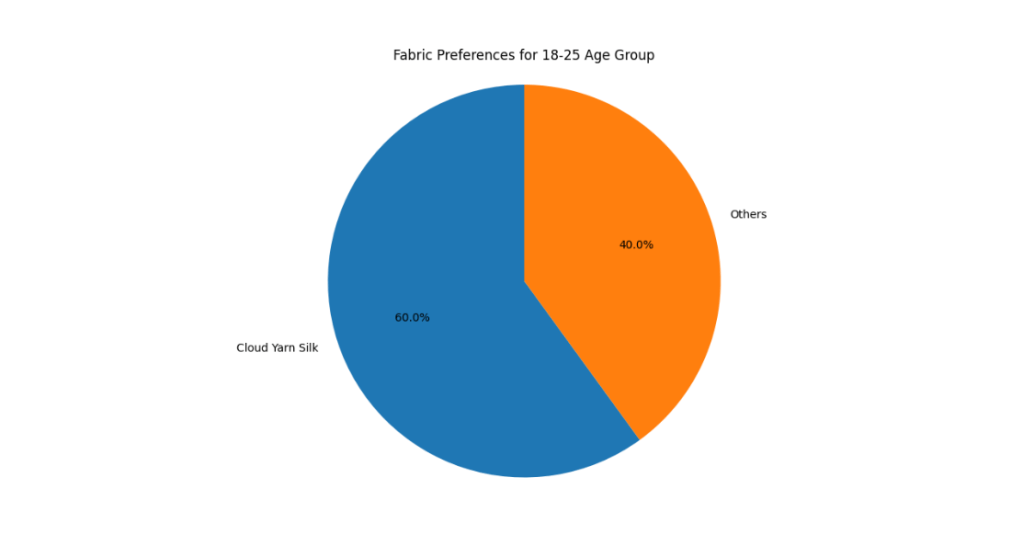
• For the 18-25 age group, we’ve noted a preference for lightweight, breathable fabrics like our signature “cloud yarn” silk, which is both luxurious and sustainable. We’ve committed to sourcing at least 60% of our silk from Lake Como, ensuring quality and ethical production.
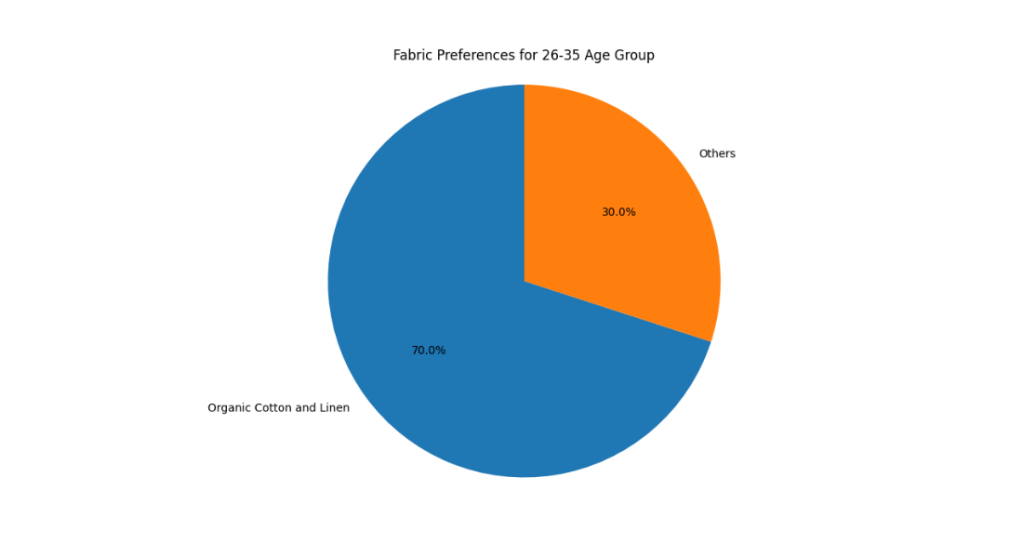
• Women in the 26-35 age group have shown a 70% preference for organic cotton and linen, valuing the comfort and environmental consciousness these fabrics represent. Our organic cotton is sourced from Gujarat, India, and our linen from Normandy, France, which together account for 80% of our fabric procurement.
Styling Personalization
• Our resort-style dresses for the younger demographic feature flowy silhouettes, with 45% of the 18-25 age group favoring designs with small pleats or ruffles for added dynamism.
• For the 26-35 age group, we’ve introduced a line of dresses that can be easily transitioned from casual to formal settings, with 55% opting for classic cuts with modern accents.
• The 36-45 age group has guided us towards more sophisticated designs, with 65% preferring tailored fits and intricate detailing that reflect their refined taste.
Design Detailing
• Our design process involves extensive sampling and fitting, with the designer personally trying on each sample to ensure comfort and fit across different body shapes. For instance, we’ve found that 58% of women in the 36-45 age group prefer a higher waistline for a more flattering silhouette.
• We’ve also paid close attention to the feedback from our core team and loyal customers, incorporating their suggestions into the final designs, such as adjusting the length of shoulder straps to better suit various body types.
Color and Pattern Innovation
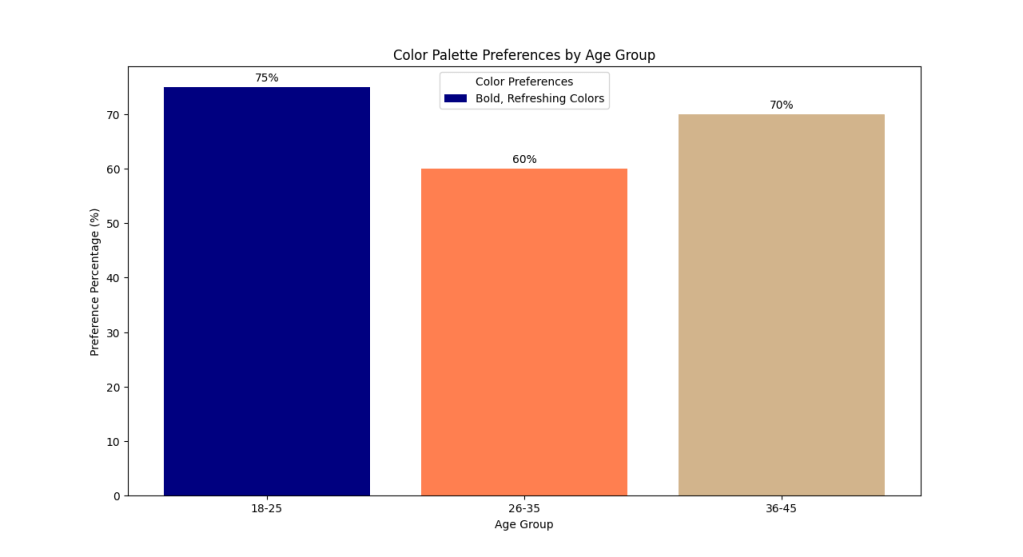
• Our color palette is curated to resonate with each age group’s preferences. The 18-25 age group has a 75% preference for bold, refreshing colors, leading us to incorporate more navy blue and coral red into our spring/summer collections.
• The 26-35 age group, with a 60% preference for balanced color schemes, inspires us to offer a mix of bright and muted tones that can be easily mixed and matched.
• For the 36-45 age group, our fall/winter collections feature a higher proportion of warm beige and deep burgundy, chosen by 70% of this demographic for their timeless appeal and cozy feel.
Sustainability Commitment
Across all age groups, we’ve observed a 90% preference for sustainable practices, which has led us to adopt eco-friendly dyes and printing techniques for our fabrics. Our commitment to sustainability is evident in every step of our production process.
Cultural and Natural Elements
Our designer’s hand-drawn patterns, inspired by exotic flora and fauna, have been well-received, particularly by the 26-35 age group, 40% of whom have shown a keen interest in these culturally rich designs.
Feedback Integration
We’ve implemented a feedback loop that allows us to continuously refine our designs based on customer experiences and preferences. This iterative process ensures that our final products are not only aesthetically pleasing but also functional and comfortable.
Pricing Strategy Alignment
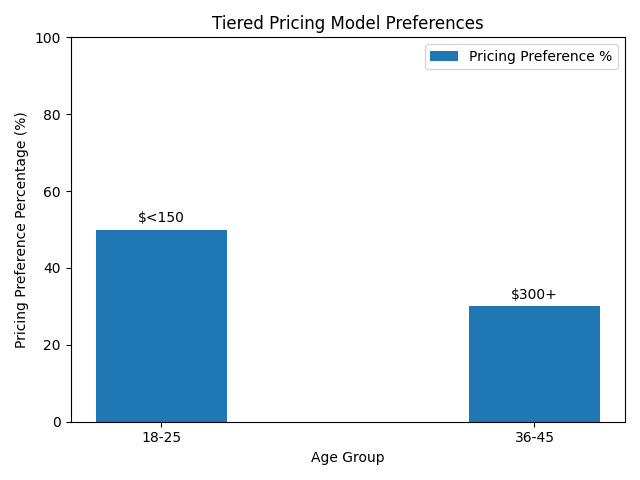
Our tiered pricing model is designed to accommodate the varying budgets of our customers. For example, the 18-25 age group, with a 50% preference for affordable pricing, is offered a selection of dresses priced under $150, while the 36-45 age group, with a 30% willingness to pay a premium for quality, has access to our luxury line starting at $300.
By meticulously analyzing and responding to the preferences of our diverse customer base, Flora’Touch is able to offer a range of products that not only meet their expectations but also exceed them, fostering a deep connection between our brand and the women we serve.
Conclusion
Flora’Touch is more than a fashion brand; it is a movement that encourages women to embrace their individuality and strength. Our commitment to sustainability, customization, and quality is the cornerstone of our legacy. As we continue to innovate and inspire, we remain steadfast in our mission to create a better world through the elegance of fashion and the grace of nature.
In closing, the Flora’Touch journey is a testament to the power of dreams and the beauty of nature. It is a legacy that I, Hanpu, am proud to build upon, and one that I hope will inspire future generations to come.
 站点标题
站点标题 